
Quick answer
The calgary airport to banff drive spans approximately 128 kilometres and takes between 90 and 120 minutes under normal conditions via Highway 1 West. Departure between 07:00 and 10:00 helps avoid midday congestion on the Trans-Canada corridor and improves parking availability in Banff townsite. All vehicles entering Banff National Park require a valid park pass, currently 12.25 CAD per adult per day, purchased at the gate or online in advance.
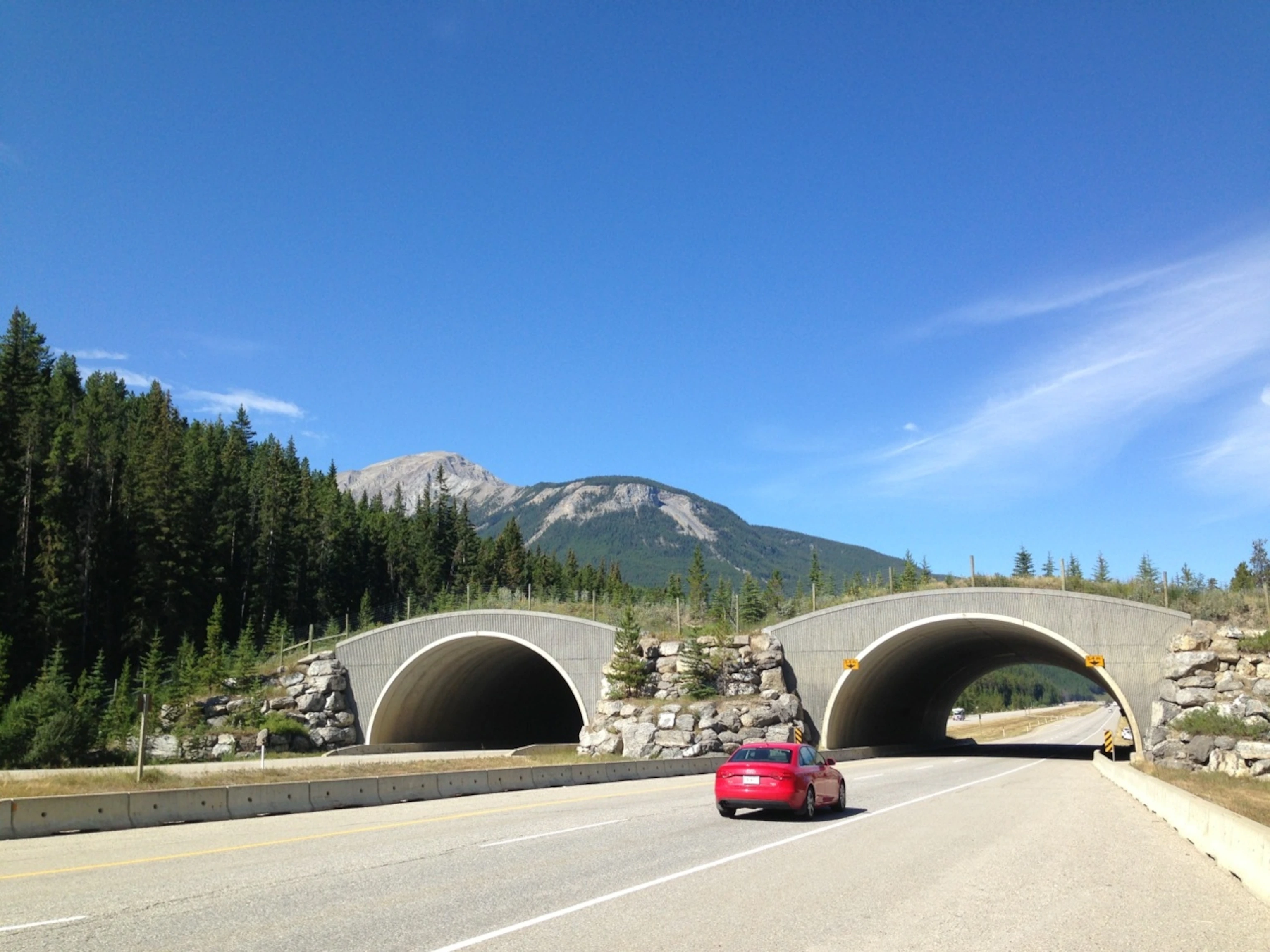
Calgary International Airport sits 1,099 metres above sea level on the prairie. Banff townsite sits at 1,383 metres, cradled by the Front Ranges of the Canadian Rockies. The elevation gain is modest, but the landscape transformation is abrupt—flat ranchland gives way to pine forest and exposed limestone within thirty kilometres of the park boundary. The calgary airport to banff drive follows a single primary artery: Highway 1 West, the Trans-Canada Highway. Drivers exit the airport onto Barlow Trail, merge onto the highway, and continue west through Cochrane before reaching the park gate near Canmore. The route is direct, well-signed, and maintained year-round, though winter conditions between November and March demand winter tires and cautious speeds. Summer weekends see the heaviest traffic, with slowdowns common between the park entrance and Banff Avenue from late morning through early afternoon. The park gate marks a regulatory threshold. Parks Canada requires every private vehicle to carry a valid entry permit from the moment it crosses into federal land. The daily adult pass costs 12.25 CAD; family and annual options are available at the gate kiosk or through the Parks Canada website. Payment is enforced, and officers conduct random compliance checks on highways and in parking areas throughout the park. Drivers who arrive without a pass can purchase one at the entrance, but lineup delays are common during peak season. The YYC to Banff corridor also serves as the primary access route for Lake Louise, Moraine Lake, and the Icefields Parkway. Fuel stations are available in Cochrane and Canmore, the last settlement before Banff townsite. Cellular reception is reliable until the park boundary, then becomes intermittent. Weather can shift rapidly once the highway enters the mountains, and afternoon thunderstorms are frequent in summer months. The drive from Calgary airport to Banff remains one of the most trafficked mountain access routes in Canada, handling recreational visitors, commercial transport, and commuter flow year-round.
“The elevation gain is modest, but the landscape transformation is abrupt—flat ranchland gives way to pine forest and exposed limestone within thirty kilometres of the park boundary.”
Essential Transport Options for the Calgary Airport to Banff Drive
The journey from Calgary International Airport (YYC) to Banff National Park covers approximately 145 kilometers, primarily utilizing Highway 1 (Trans-Canada Highway). This route provides a direct connection from the airport terminal through the city of Calgary and westward into the Rocky Mountains.
Trans-Canada Hwy/AB-1 W
Airport shuttle services to Banff
Trans-Canada Hwy/AB-1 W
Best Time of Day and Season for the Calgary Airport to Banff Drive
The best arrival window for the drive from Calgary International Airport to Banff is 07:00–10:00 to avoid peak midday traffic and secure better parking availability. This early start also helps manage road congestion during high-volume periods.
Summer (July–August)
High; heavy tourist trafficWarm; 20°C to 25°C. Expect increased vehicle volume on the Trans-Canada Highway.
Shoulder (May, Sept–Oct)
Moderate; manageable flowVariable; 10°C to 18°C. Roads are generally clear with fewer seasonal delays.
Winter (Nov–April)
Low; minimal congestionCold; -5°C to -15°C. Snow tires are essential due to frequent winter road conditions.
Weekday mornings
Low; consistent traffic flow—; Arriving early ensures easier parking access at main sites before midday arrivals.
Verdict: The best time to travel is during the shoulder months of May or October, arriving at the park between 07:00–10:00 on a weekday.
Pre-Visit Checklist for the Calgary Airport to Banff Drive
Prepare for the drive by securing passes, checking road conditions, and arranging transport in advance.
-
Purchase Banff National Park pass online — Buy ahead at https://www.pc.gc.ca/en/pn-np/ab/banff to avoid lineups at park gates.
-
Book airport shuttle or rental car — Reserve transport from YYC at least 48 hours before arrival to guarantee availability.
-
Check Trans-Canada Highway road conditions — Visit 511 Alberta for closures, construction, or weather advisories before departure.
-
Download offline maps for Highway 1 — Cell service weakens west of Canmore, so save route data beforehand.
-
Fill fuel tank before leaving Calgary — Gas stations become sparse past the city limits and prices rise closer to Banff.
-
Pack winter gear between October and May — Sudden snowfall and icy roads require chains, scrapers, and emergency supplies.
-
Set departure for 7:00–10:00 arrival window — Early starts dodge midday traffic and improve parking options in Banff townsite.
Operating Hours for the Calgary Airport to Banff Drive Access
Calgary International Airport operates 24 hours a day, facilitating travel to Banff at any time. The access routes between the airport and the national park remain open continuously throughout the week.
| Monday | 00:00–23:59 | |
|---|---|---|
| Tuesday | 00:00–23:59 | |
| Wednesday | 00:00–23:59 | |
| Thursday | 00:00–23:59 | |
| Friday | 00:00–23:59 | |
| Saturday | 00:00–23:59 | |
| Sunday | 00:00–23:59 |
Check availability
Frequently asked questions about calgary airport to banff drive
Everything you need to know about calgary airport to banff drive